The Timeline of the Notwithstanding Clause
Click here to go back to the main page.
1980 - 1982
1980 - 1982
Charter Negotiations
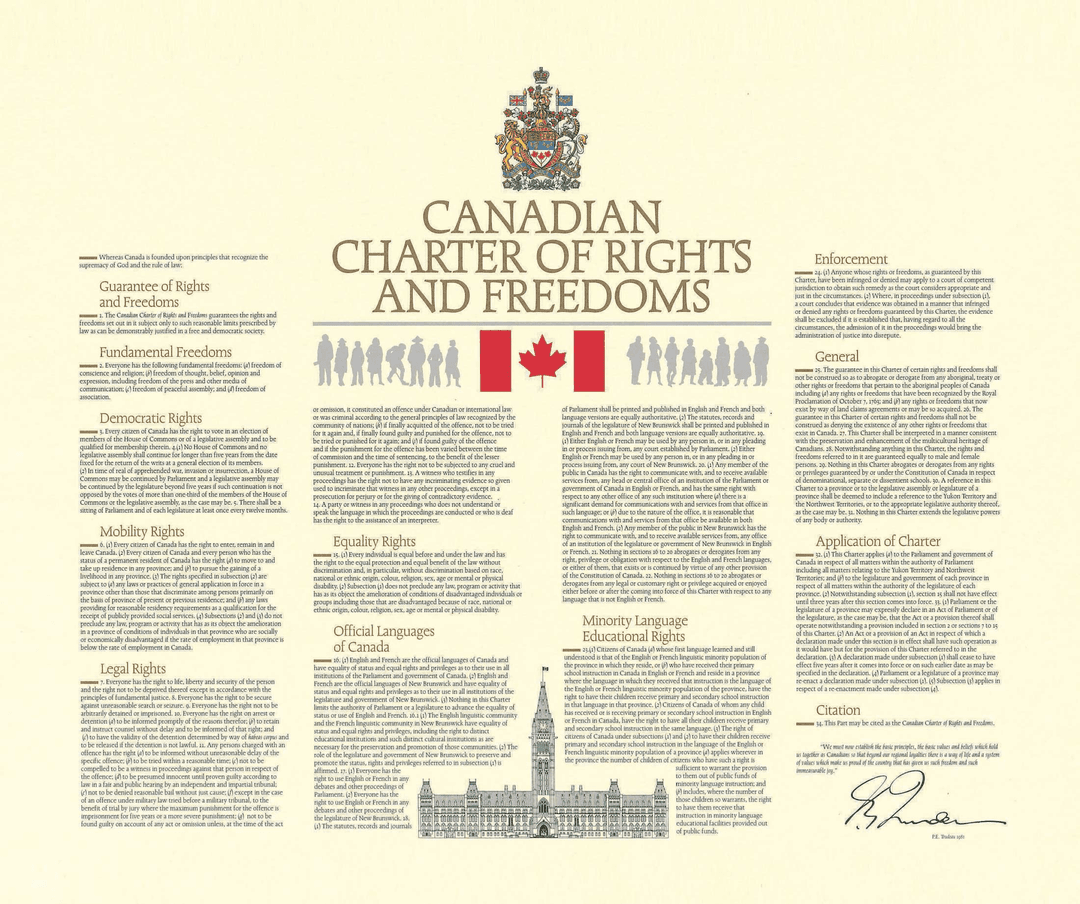
In the early 1980s, former Prime Minister Pierre Trudeau renewed discussions about patriating the constitution. Many provinces feared losing parliamentary and provincial authority, particularly through increased judicial oversight under a Charter. These negotiations continued until 1982.
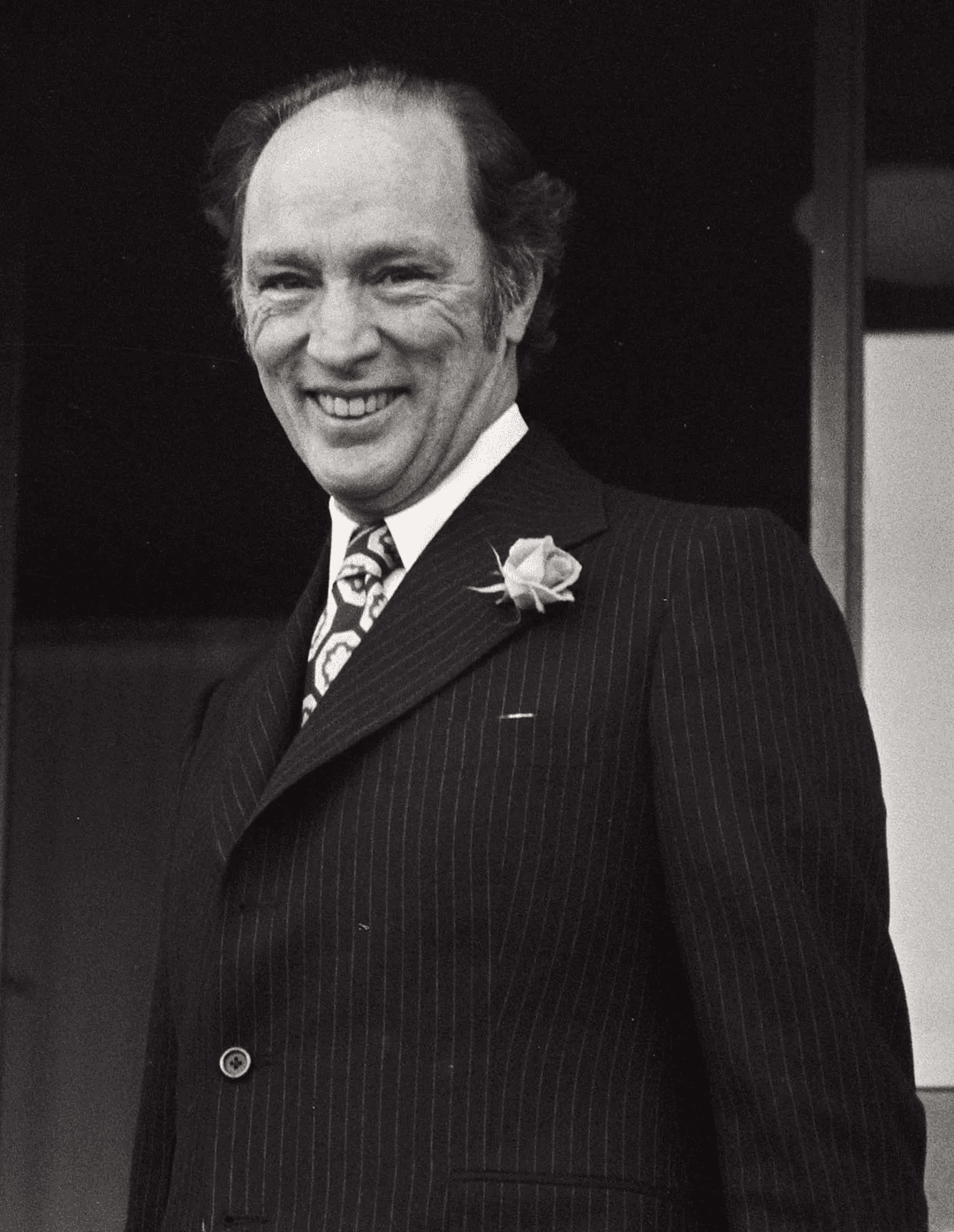
Pierre Trudeau, former Canadian prime minister[1]
1982

1982 - 1985
1982 - 1985
Quebec's Retaliation
Between 1982 and 1985, under the leadership of René Lévesque, Quebec passed every legislation using the notwithstanding clause as an act of protest against the constitution, which Quebec did not consent to.
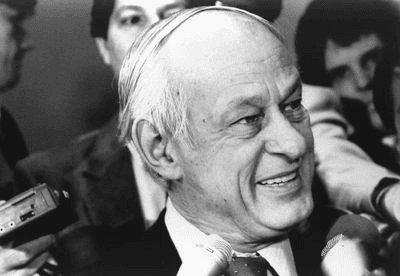
René Lévesque, the leader of Parti Quebecois[4]
1986
1986
Saskatchewan's strike-ending invocation
Saskatchewan was the first non-Quebec province to invoke the Notwithstanding clause in an effort to force striking workers back the work. The provincial government thought that the strike-ending legislation would violate the workers' rights to association.
2000
2000
Alberta's Marriage Amendment Act
In 2000, Alberta defined marriage as between a man and a woman using the notwithstanding clause. However, the law expired in 2005 and had little legal effect because marriage is under federal jurisdiction. The purpose of the legislation was to signal political opposition to same-sex marriage.
2019
2019
Quebec's Bill 21 — Secularism
In 2019, Quebec passed Bill 21, which prohibits public sector employees in positions of authority from wearing religious symbols while at work. Bill 21 was an incredibly high-profile case because it was a relatively modern invocation of section 33 and was also the first significant legislation to be passed using the notwithstanding clause preemptively. This means that the bill did not undergo any judicial review.
Bill 21 aimed to reinforce the concept of secularism in Quebec. Secularism is the idea that religion should not interfere with the government, however interpretations of secularism differ. Some argue for open-secularism which allows religious symbols as log as they respect the rights of others. Other's support closed secularism which prohibits any religious symbols being seen in a public place tied to the government.

Protestors ralling to protest against Bill 21[5]
2022
2022
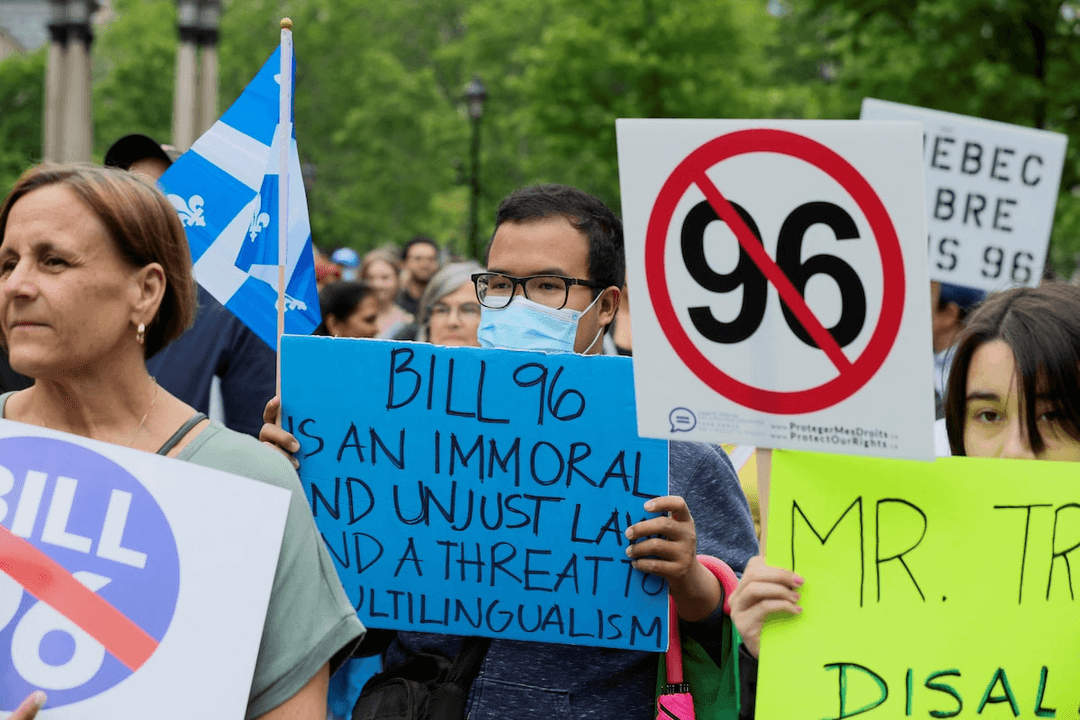
Quebec's Bill 96 — Language Law
Quebec's Bill 96 of 2022 aimed to further cement French as the dominant language in Quebec. Some components of this bill included requiring businesses with 5-49 employees to publicly disclose the amount of workers that cannot communicate in French. Furthermore, This bill also required public workers to work exclusively in French except for a few exceptions.
Similarly to Bill 21, Quebec also used the notwithstanding clause preemptively to prevent the bill from being struck down by judicial review.
Ontario's Bill 28 — Keeping Students in Class Act
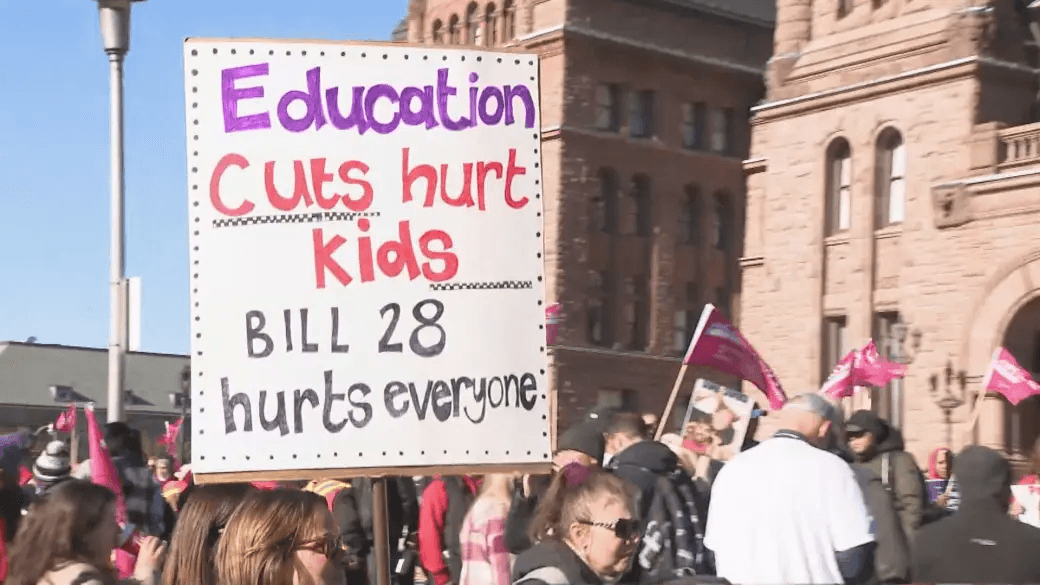
In 2022, Ontario invoked the notwithstanding clause to pass Bill 28, which required striking workers in the education field to return to work. The legislation sparked widespread debate, with critics highlighting the government's undermining of fair labour disputes. Supporters, on the other hand, emphasized the need to minimize disruption to students' education and maintain stability in schools. After significant backlash regarding the bill, the government eventually repealed it. However, Bill 28 still represents one of the more high-profile uses of the notwithstanding clause in recent Canadian history, highlighting the tension between provincial authority and constitutional rights.
Summary of the Evolution
Section 33, the Notwithstanding Clause, has had a fascinating history. From its inception, when it was used as a tool to persuade provinces to accept the Canadian Charter, through a period when invoking it was considered taboo and used only rarely, to today, when the clause is employed much more frequently, its role in Canadian law has evolved significantly.
It's without a doubt that the notwithstanding clause has become much more common in recent years, and several factors can be attributed to this. Firstly, the clause serves as a way for provinces to assert their provincial power and push back against federal or judicial decisions as seen with the Marriage Amendment Act of 2000. Another contributory factor is the increased normalization of the clause's use throughout the years, such as Quebec's frequent reliance on it.